Historic Turning Point in the Labor Market in Germany — How Demographic Change Slows Down Growth
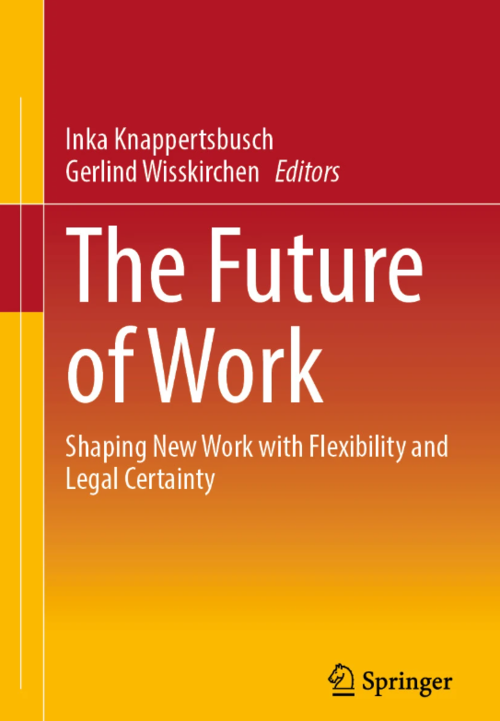
Externe Veröffentlichung 9. Dezember 2024 Thomas Obst Historic Turning Point in the Labor Market in Germany — How Demographic Change Slows Down Growth
Demographic change is becoming a major challenge for the German labor market. The shift towards an aging and shrinking working population is accelerated by the retirement of the baby boomers.
Der Link wurde zu Ihrer Zwischenablage hinzugefügt!
Thomas Obst Institut der deutschen Wirtschaft (IW)
Demographic change is becoming a major challenge for the German labor market. The shift towards an aging and shrinking working population is accelerated by the retirement of the baby boomers.
By the end of this decade alone, the potential workforce could shrink by up to 3 million people, associated with a loss of 4.5 billion working hours. This development challenges the financing of social systems on the one hand, and the debt sustainability on the other. The phenomenon is expected to reduce labor supply and restrict the growth potential of the German economy in the long term. Even though various strategic approaches are up for debate, empirical studies show that a significant lever lies in the adjustment of annual working hours.
Audio 23. Oktober 2026 Michael Hüther im Handelsblatt-Podcast
Investorenkonferenz der Bundesregierung: „Investoren wollen auch umworben werden”
420 Milliarden Euro Investitionslücke: Die Bundesregierung lud erstmals mit dem gesamten Kabinett zu einer Investorenkonferenz. Warum das ein wichtiges Signal ist, erklären IW-Direktor Michael Hüther und Handelsblatt-Chefökonom Bert Rürup im Podcast „Economic Challenges".
Gastbeitrag 15. Oktober 2026 Michael Hüther im SZ Dossier
Die Transaktionskosten der Geopolitik bleiben hoch
IW-Direktor Michael Hüther analysiert im SZ Dossier Geoökonomie, wie Trumps Zollpolitik, Chinas Machtstreben und Russlands imperialer Anspruch die Weltordnung verändern. Europa müsse seine Verteidigungsfähigkeit stärken und sich auf hohe Transaktionskosten einstellen.
Diese Website verwendet notwendige Cookies zur Sicherstellung des Betriebs der Website. Sie können Tracking erlauben oder ablehnen. Wenn Sie Tracking erlauben, wird Matomo mit Cookies eingesetzt. Detaillierte Informationen über den Einsatz von Cookies finden Sie in unseren Datenschutzhinweisen.
Achtung: Sie nutzen einen veralteten Browser!
Bitte wechseln Sie zu einem modernen Browser (z.B. Google Chrome, Firefox oder Microsoft Edge), um in den Genuss des besten Nutzererlebnisses zu kommen.

 Institut der deutschen Wirtschaft (IW)

