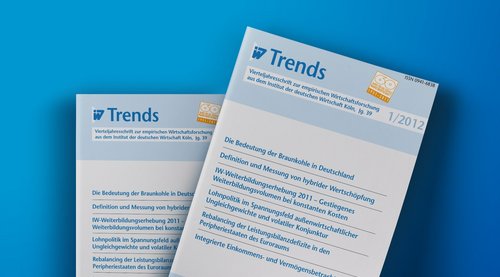
Wage Policy in Times of Foreign Trade Imbalances and Volatile Growth
 German Economic Institute (IW)
Since the mid-nineteen-nineties employers and unions in Germany have pursued a moderate wage policy. This has improved unit labour costs and international competitiveness. At the same time, this wage policy and the labour market reforms of 2003 to 2005 have together contributed to a gradual increase in employment over the last few years. The safe-guarding of well-paid manufacturing jobs and high employment growth have both served to stimulate consumer demand. In a phase of growing volatility in the economic cycle consumption helped to sustain economic development. In the long-term, maintaining a policy of aligning wages with national productivity growth has thus paid off. Adopting an expansive wage policy to reduce foreign trade imbalances would deter domestic investment without solving the structural problems of the countries with trade deficits.

An International Comparison of Unit Labour Costs: The Cost Competitiveness of German Industry in Times of Considerable Uncertainty
On average, German unit labour costs in 2024 were 22 percent higher than in the 27 other countries considered in this study and 15 percent higher than in the other nations of the eurozone, a disadvantage for which the above-average productivity of German industry was insufficient to compensate.
IW
Corporate insolvencies rise sharply: Cause for concern or normalization after the pandemic years?
The number of enterprise insolvencies in Germany is rising sharply, and there is no end in sight to the increase. The almost two-decade-long downward trend, which culminated in a slump in reported insolvencies during the Covid-19 pandemic, has thus clearly been broken.
IW